Information on traditional uses is given for general interest only and is not medical advice. Please consult a qualified professional before using any plant medicinally.
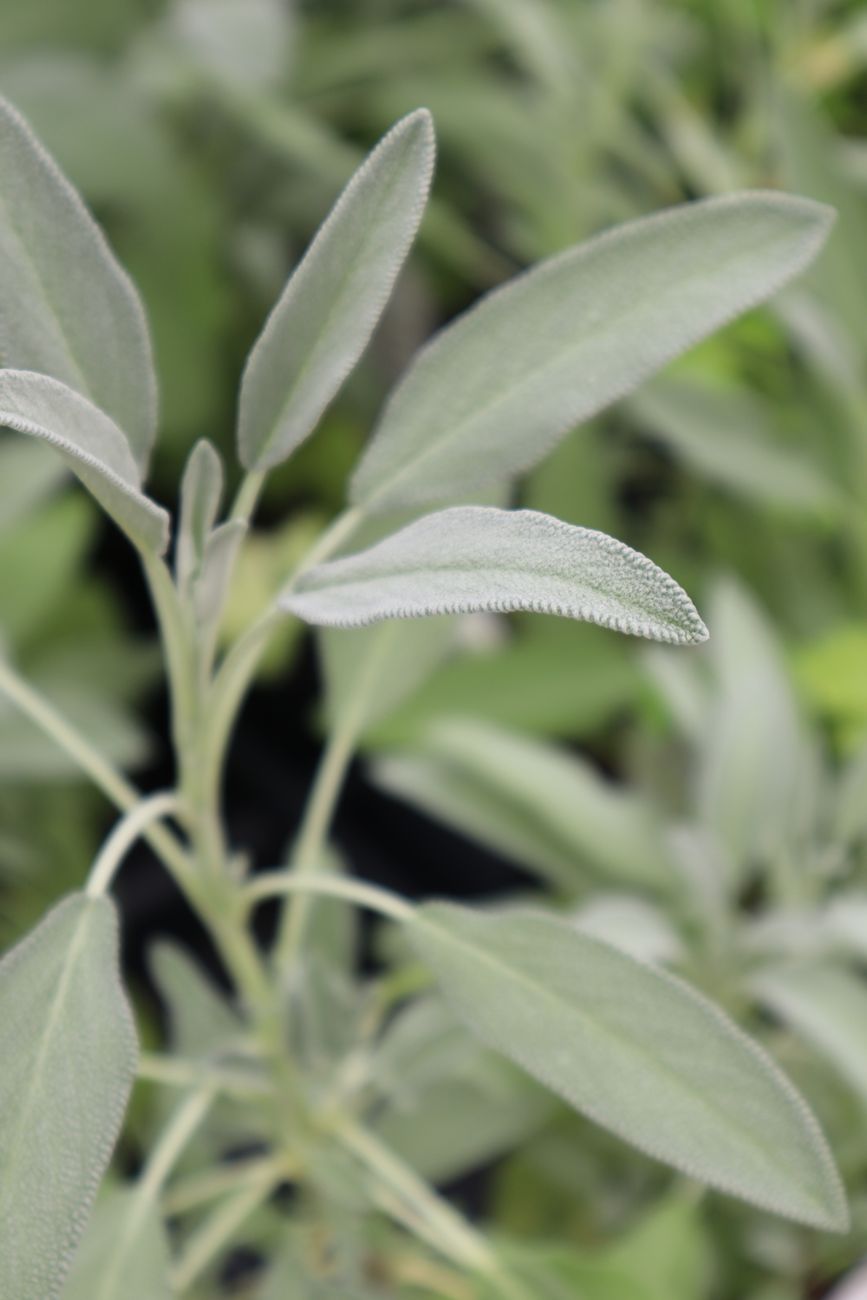
White Sage
Salvia apiana
€10,00
1-year-old plants, 10–20 cm
Season: spring (March–June)
More about this plant
PT: Sálvia Branca
DE: Weißer Salbei
- Antimicrobial: volatile oils inhibit bacteria and fungi
- Aromatic and ceremonial: prized for cleansing rituals and its long-lasting fragrance
- Silver foliage: drought-tolerant Mediterranean ornamental
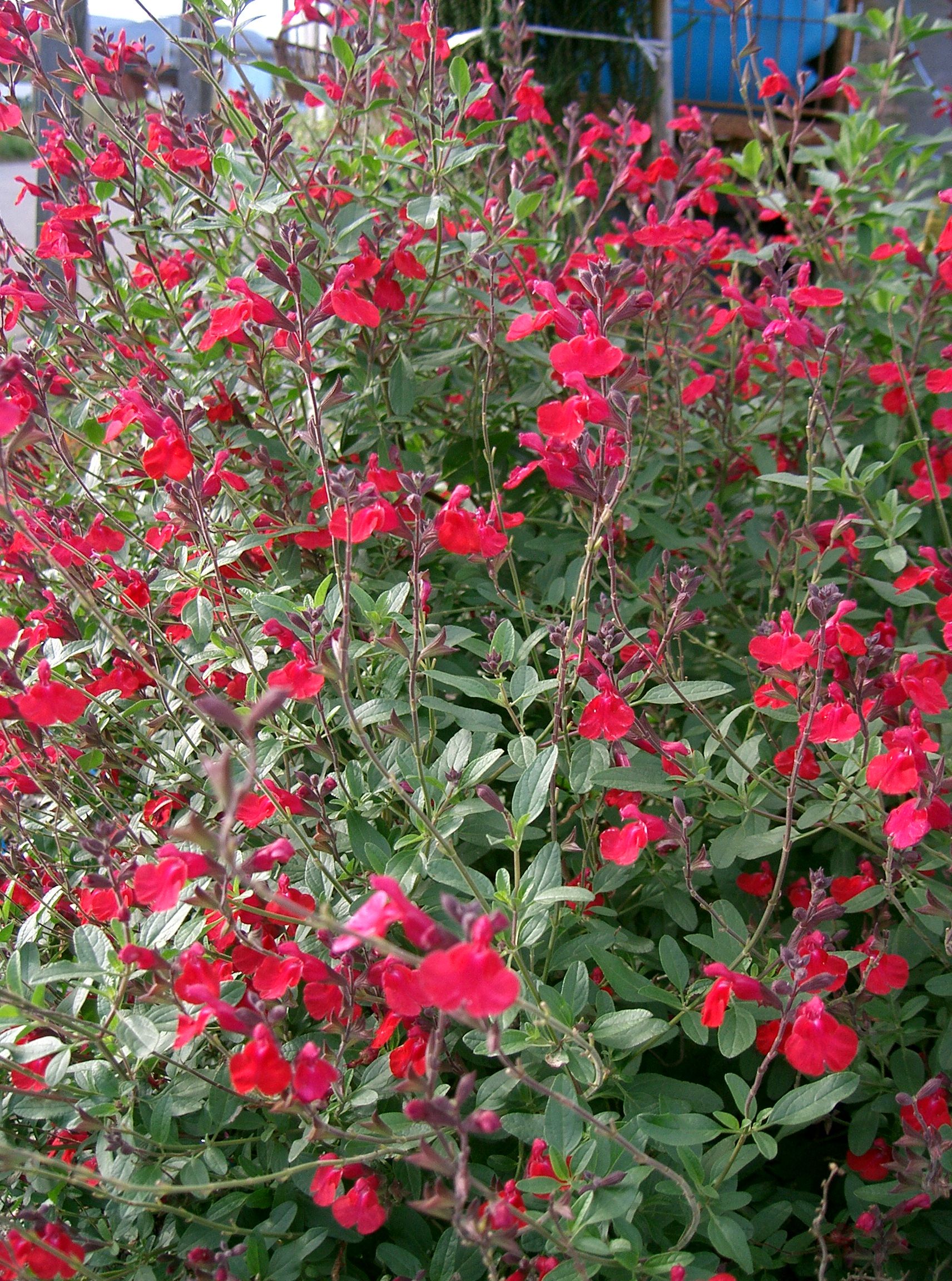
Blackcurrant Sage
Salvia microphylla ‘Blackcurrant’
€4,00
10 cm pot, approx. 6 months old
Season: spring (March–June)
More about this plant
PT: Sálvia Groselha Negra
DE: Johannisbeer-Salbei
- Intense blackcurrant scent: leaves are fragrant when touched
- Long flowering season: magenta blooms attract pollinators from summer to first frost
- Edible flowers and leaves: a good garnish for desserts and teas
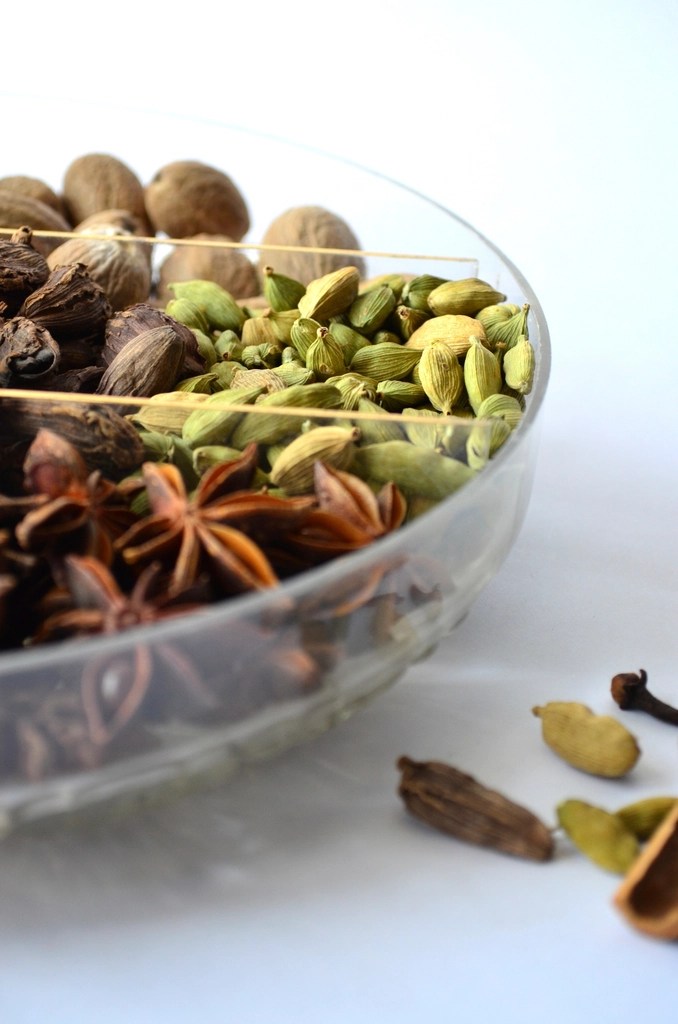
Cardamom
Elettaria cardamomum
€4,00
10 cm pot, approx. 6 months old
Season: spring (March–June)
Frost-tender: grow in a pot and keep indoors over winter
More about this plant
PT: Cardamomo
DE: Kardamom
- Culinary spice: aromatic seeds used in chai, pastries and curry
- Traditionally used in Ayurveda for digestion and bloating
- Tropical ornamental: broad, aromatic leaves; rarely flowers outside the tropics
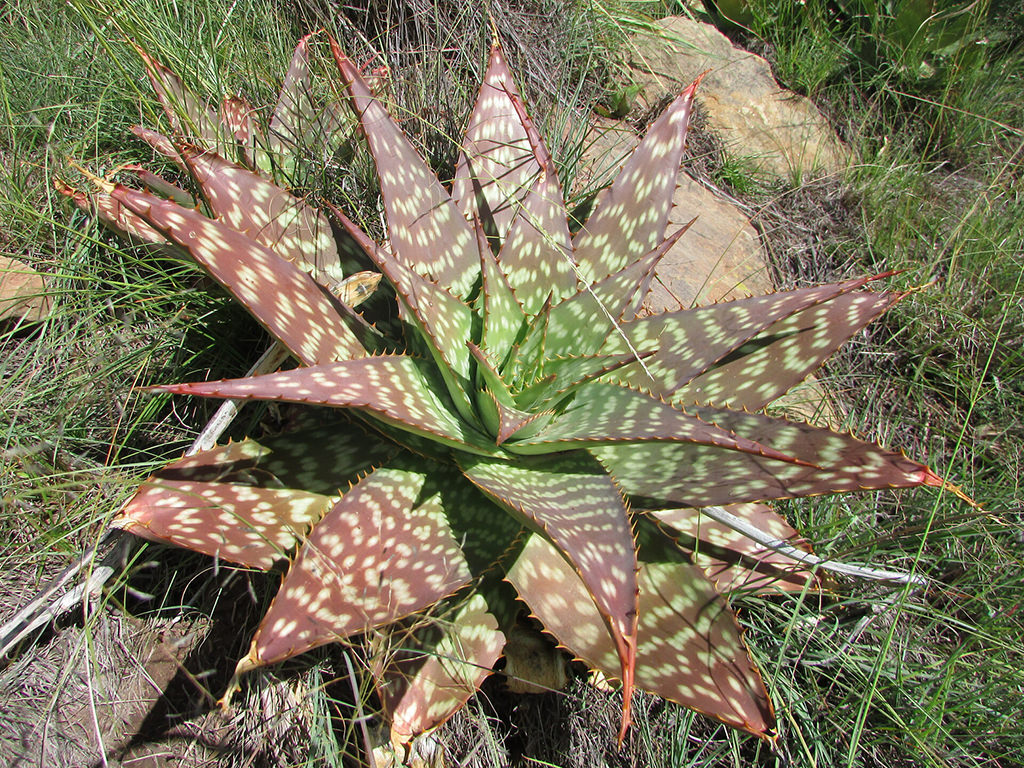
Soap Aloe
Aloe maculata
€4,00
10 cm pot, approx. 6 months old
Season: spring (March–June)
Frost-tender: protect in winter
More about this plant
PT: Áloe Maculada
DE: Gefleckte Aloe
- Saponin-rich: can be used as a natural soap substitute and for minor wound care
- Spotted rosettes: an architectural plant for sunny borders
- Low-maintenance succulent: thrives in sunny, well-drained spots
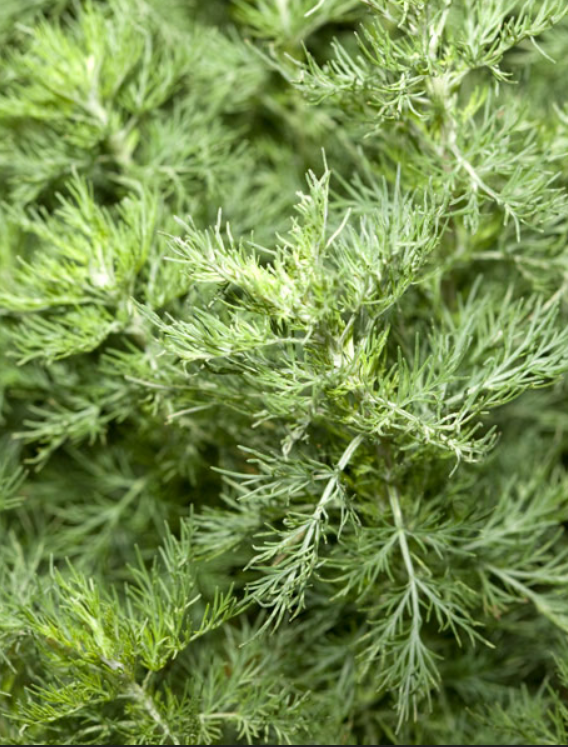
Southernwood / Lad’s Love
Artemisia abrotanum
€4,00
10 cm pot, approx. 6 months old
Season: spring (March–June)
More about this plant
PT: Artemísia Abrotano
DE: Eberraute
- Natural repellent: foliage is thought to deter moths and aphids
- Bitter tonic: traditionally used to stimulate digestion and appetite
- Aromatic grey-green shrub: a tidy addition to herb garden borders
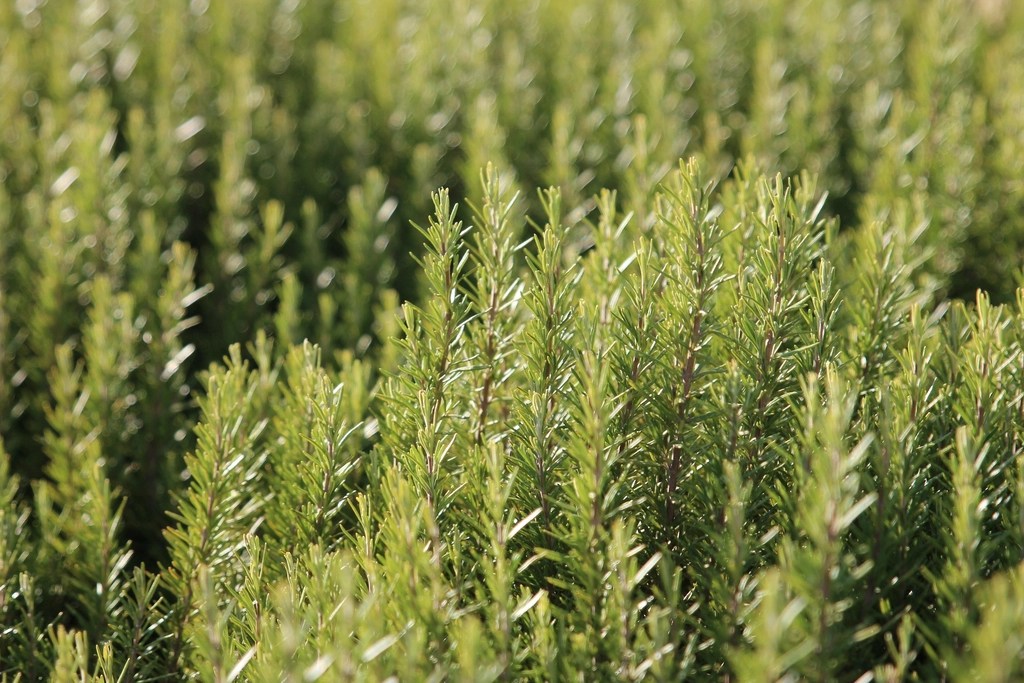
Rosemary – Purple Flower
Salvia rosmarinus
€3,00
10 cm pot, approx. 6 months old
Upright and creeping forms available
Season: spring (March–June)
More about this plant
PT: Alecrim Flor Roxa
DE: Rosmarin Violett
- Culinary staple: aromatic leaves used with roasts, bread and oils
- Researched for memory and focus (rosmarinic acid); evidence is still limited
- Drought-hardy and bee-friendly: flowers early and abundantly
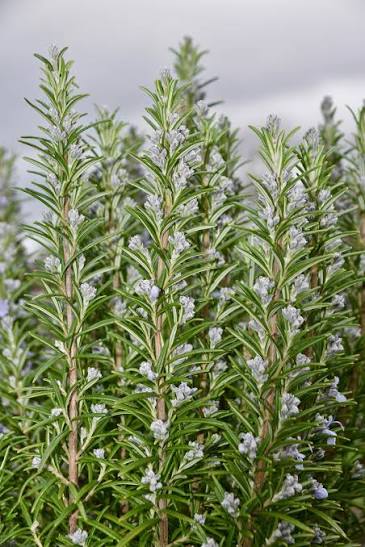
Rosemary – White Flower
Salvia rosmarinus
€4,00
10 cm pot, approx. 6 months old
Season: spring (March–June)
More about this plant
PT: Alecrim Flor Branca
DE: Rosmarin Weißblütig
- Elegant white blooms: a less common form for herb borders
- Same culinary and medicinal uses as common rosemary
- Evergreen structure: foliage and fragrance year-round
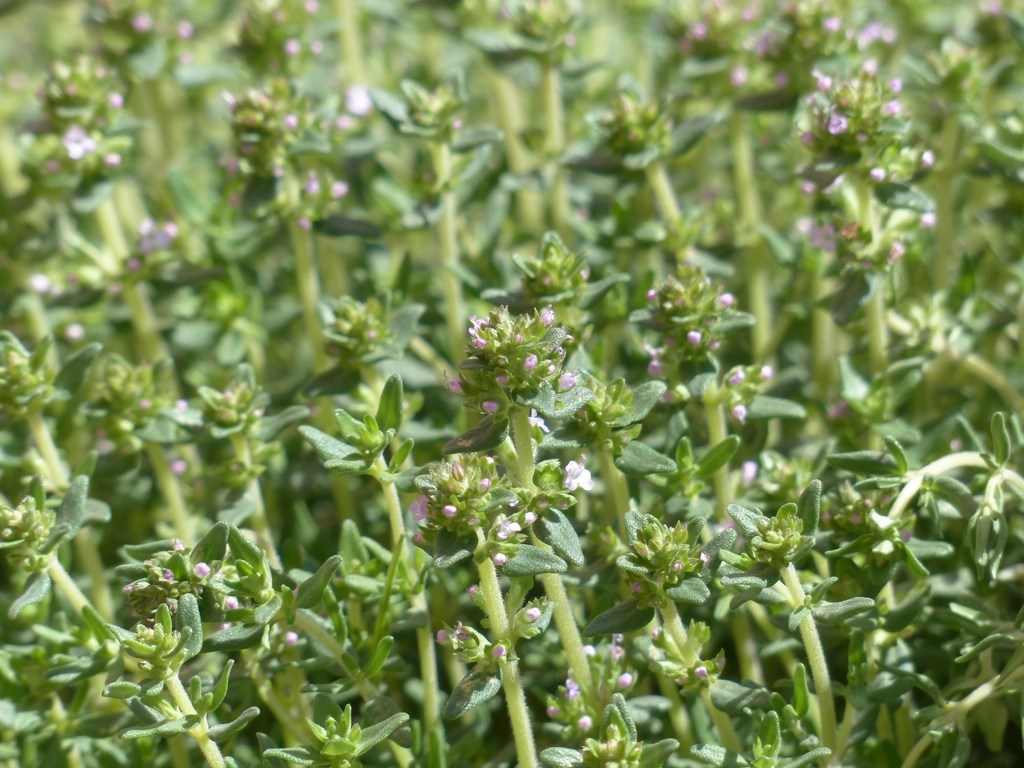
Thyme
Thymus vulgaris
€2,50
10 cm pot, approx. 6 months old
Season: spring (March–June)
More about this plant
PT: Tomilho
DE: Thymian
- Antiseptic properties: thymol has shown antibacterial and antifungal effects in lab studies
- Kitchen essential: a cornerstone of Mediterranean and French cooking
- Low groundcover: suits path edging; flowers are popular with bees
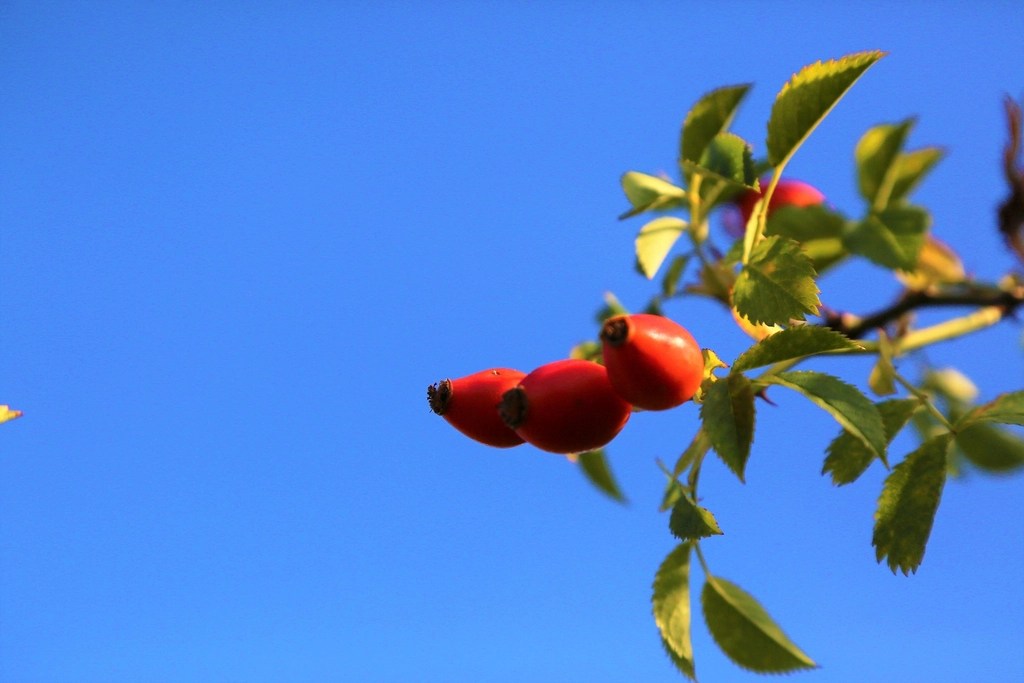
Goji Berry
Lycium barbarum
€4,00
10 cm pot, approx. 6 months old
Season: spring (March–June)
More about this plant
PT: Goji
DE: Goji-Beere
- Rich in antioxidants and polysaccharides
- Traditionally used as a tonic in Chinese medicine
- Hardy fruiting shrub: easy to grow, drought-tolerant once established
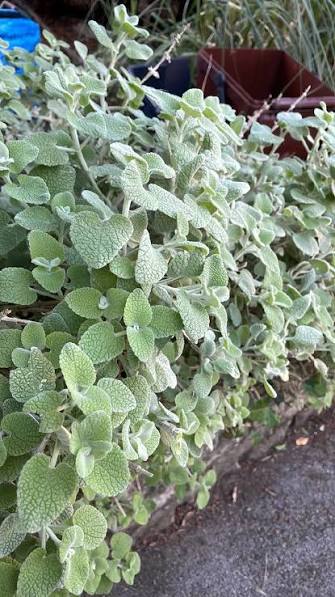
Hairy Horehound
Ballota hirsuta
€5,00
10 cm pot, approx. 6 months old
Season: spring (March–June)
More about this plant
DE: Wollige Ballote
- Silver, woolly foliage: a strongly drought- and heat-tolerant ornamental
- Related species have traditionally been used as an expectorant in cough remedies
- Architectural sub-shrub: adds textural contrast to Mediterranean planting
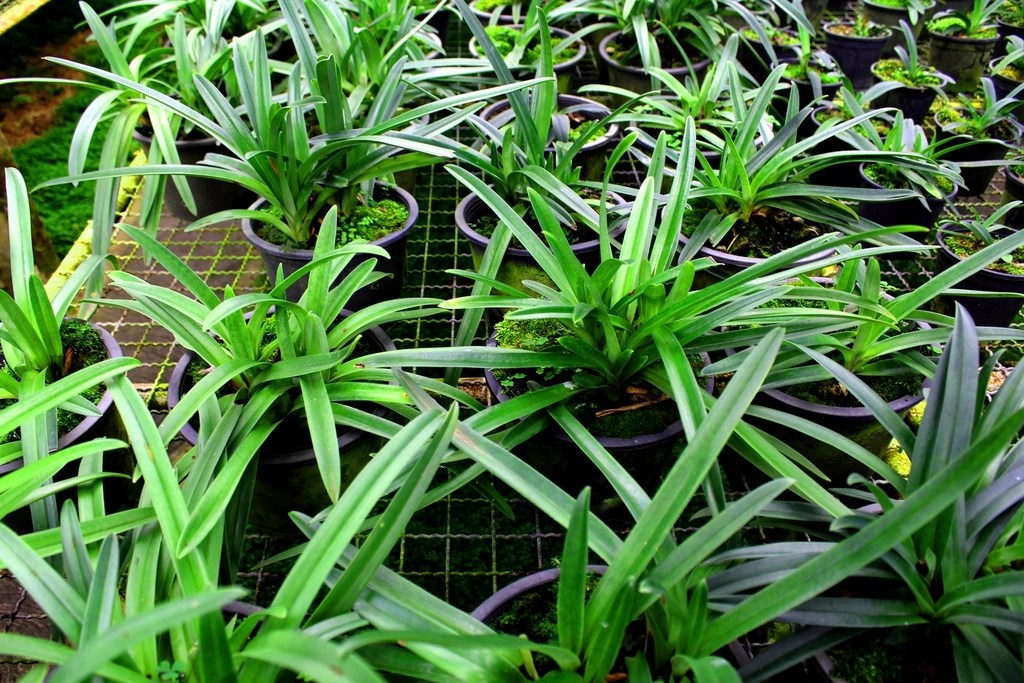
Lemongrass
Cymbopogon citratus
€3,00
10 cm pot, approx. 6 months old
Season: spring (March–June)
Frost-tender: protect in winter
More about this plant
PT: Capim-Limão
DE: Zitronengras
- Culinary cornerstone: essential in Thai, Vietnamese and other Southeast Asian cooking
- Citral-rich oil is used in natural insect repellents
- Makes a refreshing herbal tea, traditionally used for digestion
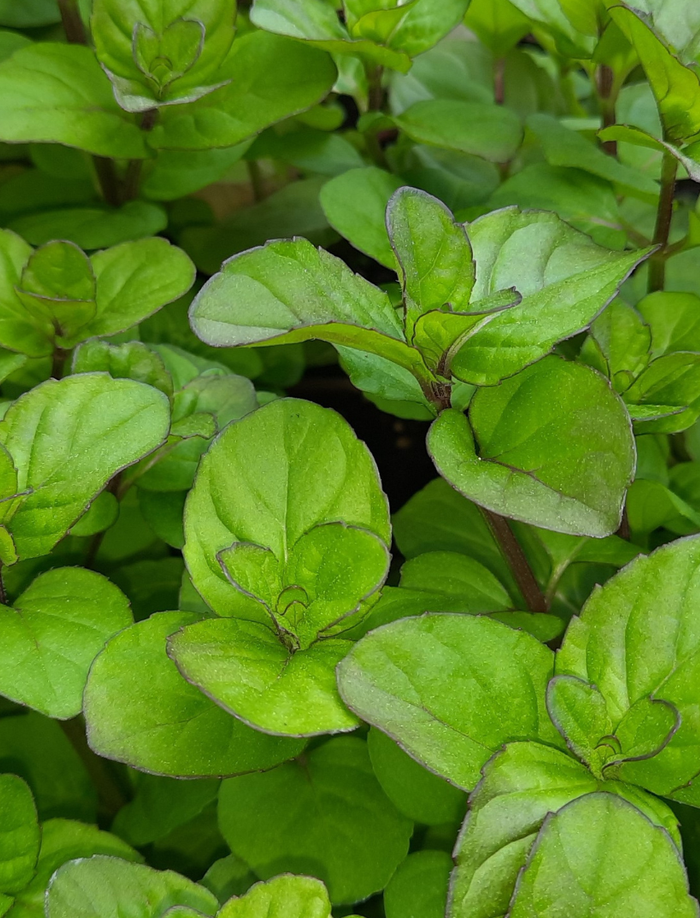
Orange Mint
Mentha × piperita ‘Orange’
€2,00
10 cm pot, approx. 6 months old
Season: spring (March–June)
More about this plant
PT: Hortelã Laranja
DE: Orangen-Minze
- Distinctive citrus-mint aroma, similar to bergamot: good for teas and cocktails
- Vigorous groundcover: suits aromatic paths and containers
- Digestive herb: shares the classic properties of mint for gut comfort
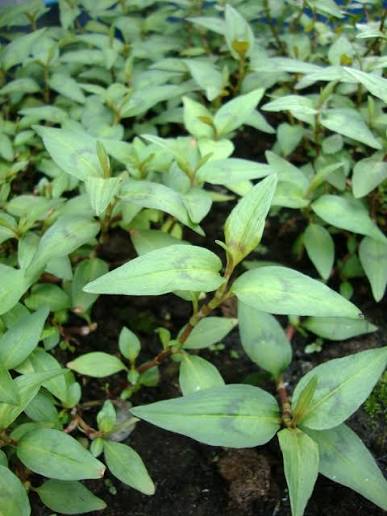
Vietnamese Coriander
Persicaria odorata
€2,50
10 cm pot, approx. 6 months old
Season: spring (March–June)
Frost-tender: protect in winter
More about this plant
PT: Coentro Vietnamita
DE: Vietnamesischer Koriander
- Intense coriander-lemon flavour: a common coriander substitute in Southeast Asia
- Leaf extracts have shown antibacterial effects in studies
- Heat-tolerant perennial: keeps producing where annual coriander would bolt
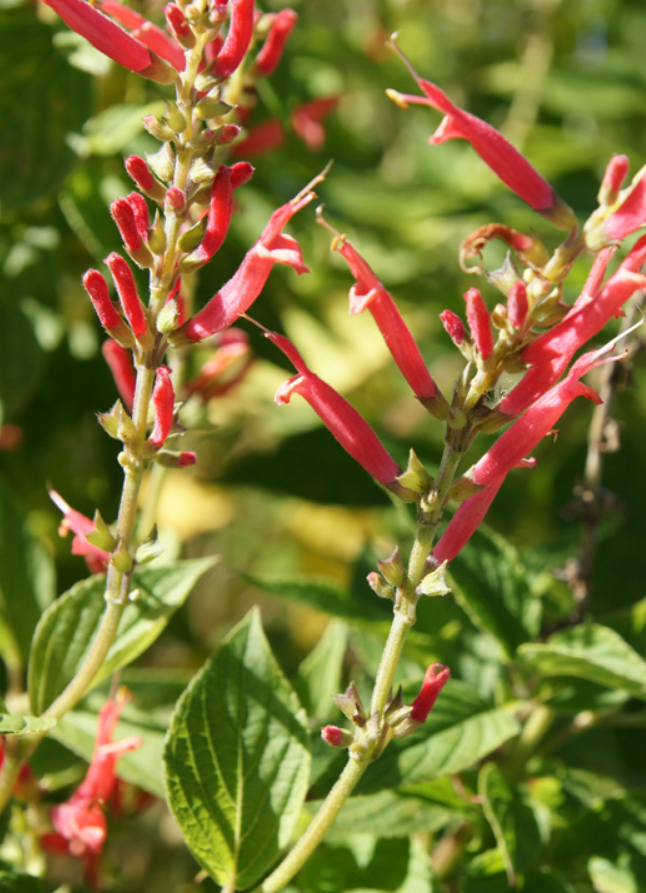
Pineapple Sage
Salvia elegans
€4,00
10 cm pot, approx. 6 months old
Season: spring (March–June)
More about this plant
PT: Sálvia Ananás
DE: Ananas-Salbei
- Pineapple-scented leaves: good in fruit salads and drinks
- Bright scarlet flowers in late season, attractive to bees
- Traditionally used as a mild calming herb in Mexican folk medicine
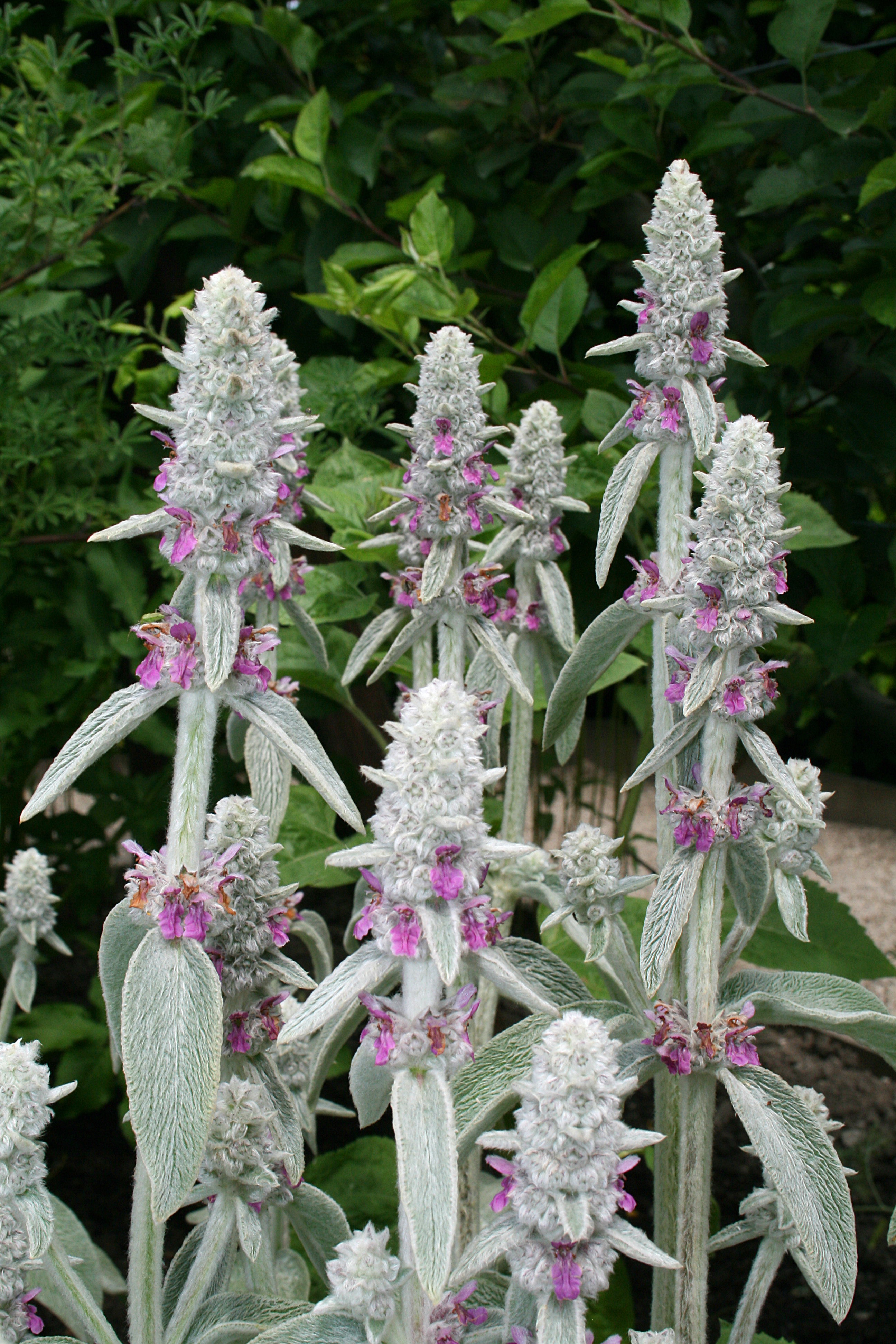
Lamb’s Ear
Stachys byzantina
€4,00
10 cm pot, approx. 6 months old
Season: spring (March–June)
More about this plant
PT: Orelha de Cordeiro
DE: Woll-Ziest / Lammohr
- Ultra-soft, velvety silver foliage with a distinctive texture
- Historically used as a natural wound dressing, thanks to its astringent properties
- Very drought-tolerant: a reliable edging plant for poor, sunny soil
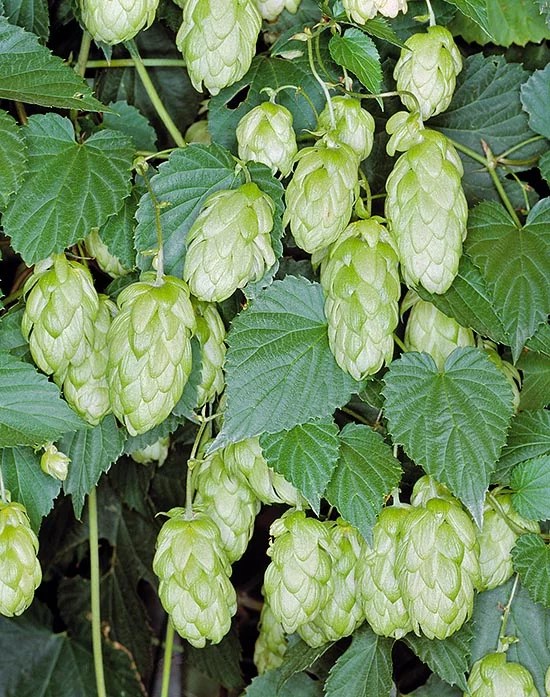
Brewer’s Hops
Humulus lupulus
€4,00
10 cm pot, approx. 6 months old
Season: spring (March–June)
More about this plant
PT: Lúpulo
DE: Hopfen
- Essential in brewing: female flowers (strobiles) provide bitterness and act as a preservative
- Contains humulone and lupulone, associated with mild sedative effects
- Vigorous ornamental climber: can cover a pergola within a single growing season
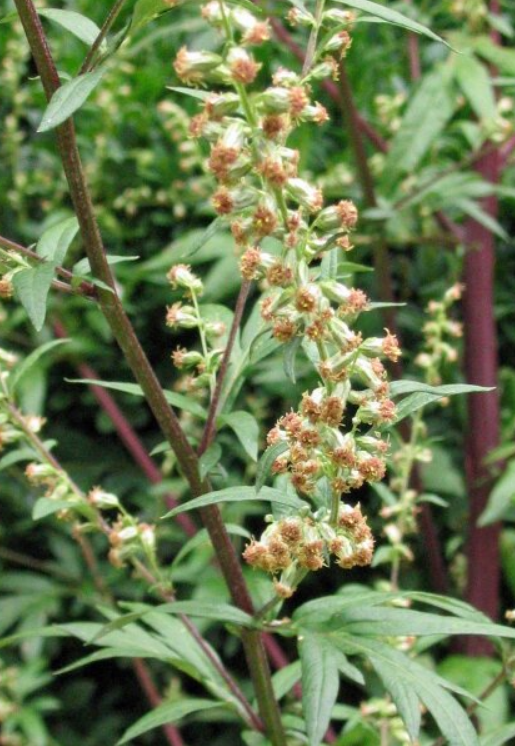
Mugwort
Artemisia vulgaris
€3,00
10 cm pot, approx. 6 months old
Season: spring (March–June)
Not for use during pregnancy
More about this plant
DE: Gewöhnlicher Beifuß
- Traditionally used as a bitter herb for digestion and in moxibustion therapy
- Aromatic culinary herb: a traditional stuffing herb for fatty meats in Europe
- Supports local wildlife as a larval host plant for several moth species
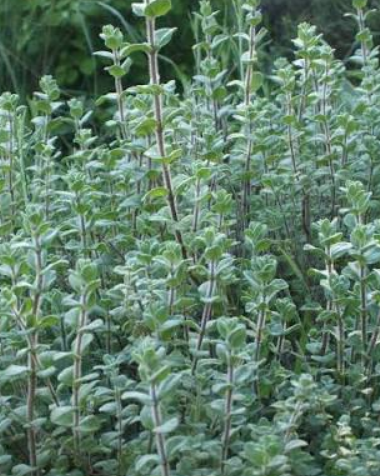
Syrian Oregano
Origanum syriacum
€6,00
10 cm pot, approx. 6 months old
Season: spring (March–June)
More about this plant
PT: Zaatar / Orégão Sírio
DE: Za’atar / Syrischer Oregano
- The base herb for za’atar spice blends: a Middle Eastern culinary staple with a richer flavour than common oregano
- High carvacrol content: one of the more potent natural antimicrobial herbs
- Long valued in Levantine cooking and traditional medicine
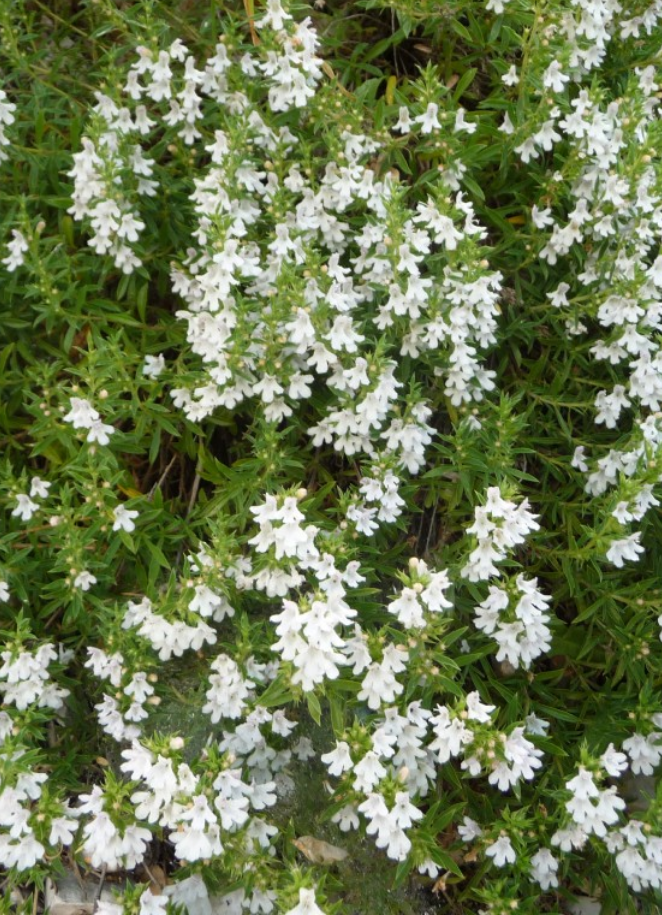
White-flowered Winter Savory
Satureja montana ‘Alba’
€4,00
10 cm pot, approx. 6 months old
Season: spring (March–June)
More about this plant
PT: Segurelha Branca
DE: Weißblühendes Berg-Bohnenkraut
- Peppery culinary herb: a classic companion to beans in European cooking
- Rich in aromatic oils with antiseptic properties
- White flowers in summer, popular with bees; suits rock gardens
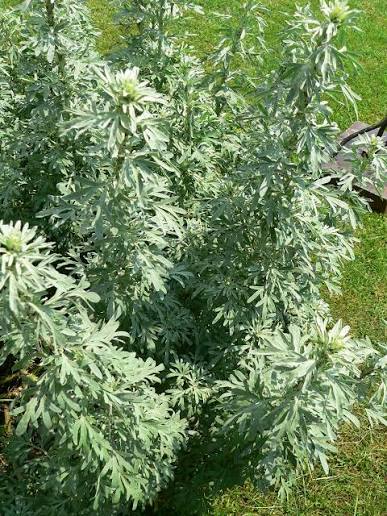
Wormwood / Absinthe
Artemisia absinthium
€5,00
10 cm pot, approx. 6 months old
Season: spring (March–June)
More about this plant
PT: Absinto / Losna
DE: Wermut / Echter Absinth
- A legendary bitter tonic and source of thujone, historically used in absinthe and vermouth
- Very bitter and toxic in larger amounts (thujone); not for home remedies
- Deeply cut, silver foliage makes a bold architectural statement in the garden
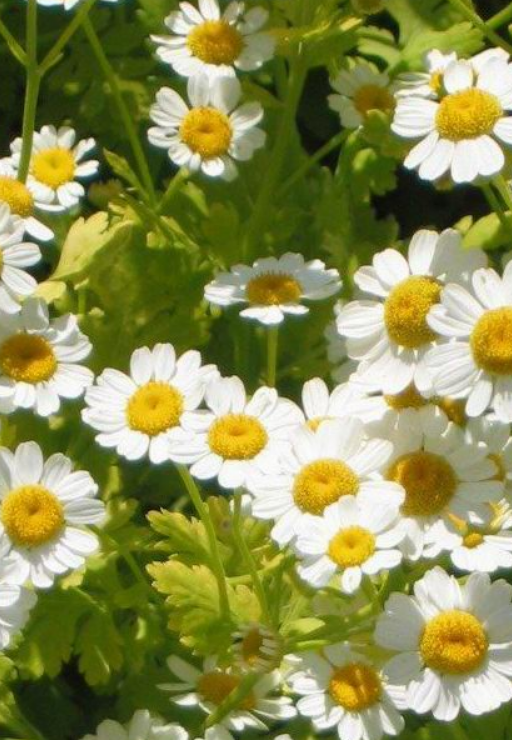
Feverfew
Tanacetum parthenium
€5,00
10 cm pot, approx. 6 months old
Season: spring (March–June)
Not for use during pregnancy or with blood-thinning medication
More about this plant
PT: Matricária / Artemísia das Boticas
DE: Mutterkraut / Fieberkraut
- Traditionally used for migraine; research results are mixed
- Traditionally used for its anti-inflammatory properties
- Cheerful daisy-like flowers, blooming profusely through summer
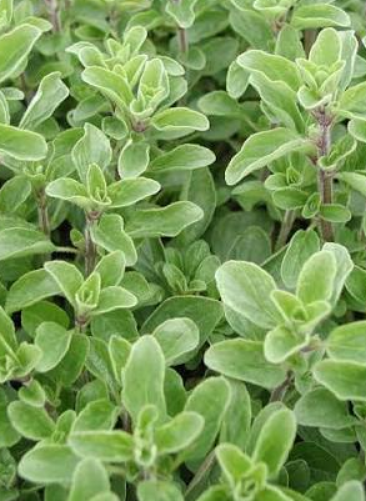
Oregano – Mixed Varieties
Origanum
€3,00
10 cm pot, approx. 6 months old
Various varieties available
Season: spring (March–June)
More about this plant
PT: Orégão – Variedades Mistas
DE: Oregano – Verschiedene Sorten
- A culinary essential in Italian, Greek and Turkish cooking
- Rich in antioxidants: carvacrol and thymol offer strong antimicrobial protection
- A good bee plant: dense flowers attract bees and butterflies
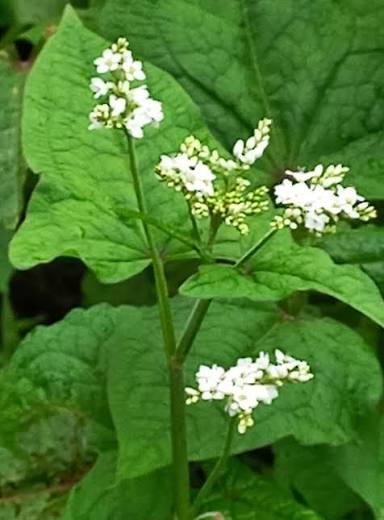
Perennial Buckwheat
Fagopyrum dibotrys
€4,00
10 cm pot, approx. 6 months old
Season: spring (March–June)
More about this plant
PT: Trigo-Sarraceno Perene
DE: Mehrjähriger Buchweizen
- Rutin-rich: associated with capillary health and circulation
- An exceptional pollinator plant: tiny white flowers bloom for months
- Fast-growing groundcover: helps suppress weeds and enrich the soil
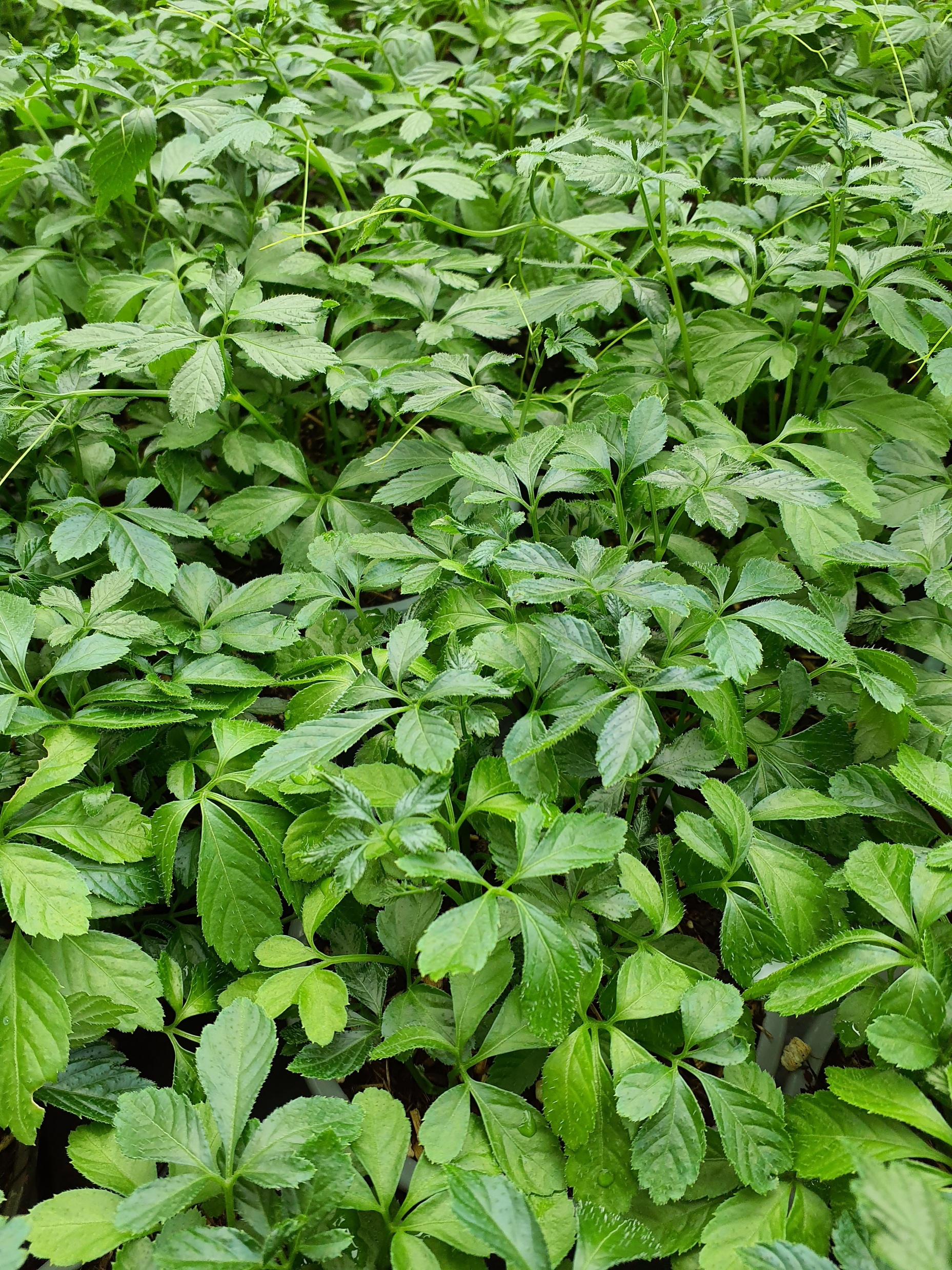
Jiaogulan
Gynostemma pentaphyllum
€4,00
10 cm pot, approx. 6 months old
Season: spring (March–June)
More about this plant
PT: Jiaogulan / Erva da Imortalidade
DE: Jiaogulan / Unsterblichkeitskraut
- An adaptogenic herb, containing gypenosides associated with stress resilience and immune support
- Researched for effects on cholesterol and blood pressure; evidence is limited
- Makes a caffeine-free tea with a refreshing, cucumber-like flavour
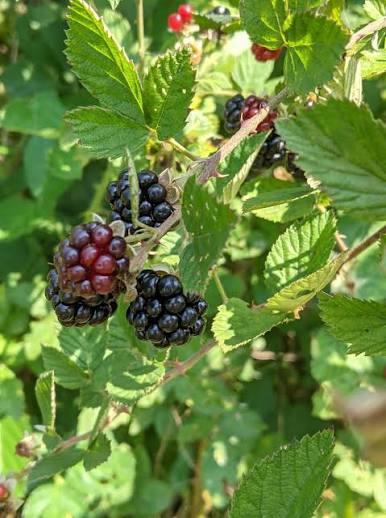
Thornless Blackberry
Rubus fruticosus (thornless)
€5,00
10 cm pot, approx. 6 months old
Season: spring (March–June)
More about this plant
PT: Amora Sem Espinhos
DE: Stachellose Brombeere
- Prolific fruiting: large, sweet berries without the difficulty of thorns
- Rich in anthocyanins: dark fruit with high antioxidant value
- Good for wildlife: flowers for pollinators, fruit for birds
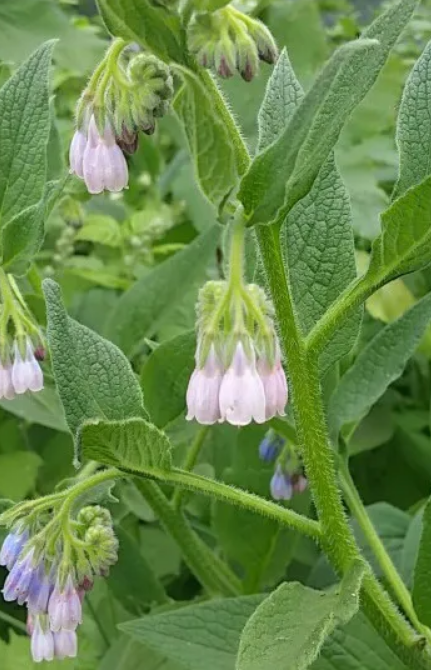
Russian Comfrey
Symphytum × uplandicum
€4,00
10 cm pot, approx. 6 months old
Season: spring (March–June)
Not for internal use
More about this plant
PT: Confrei Russo
DE: Russischer Beinwell
- Leaves are one of the highest plant sources of potassium: useful for a liquid feed
- Contains allantoin, traditionally used on the skin for minor wounds
- Deep roots draw up minerals from the subsoil that shallow-rooted plants can’t reach

