It’s not been a long journey yet, but it’s already been a roller coaster full of ups and downs, — and above all, one of continuous learning and growth (pun intended). Watching a seed germinate — sending down its first taproot, pushing a small green shoot through the soil, orienting itself, then stretching leaf by leaf into a tree — is a slow process. But to a keen observer, it’s full of constant change. That joy of the process is what keeps me intrigued.
The cycle begins in autumn, when the trees shed their leaves and get ready for winter, and seeds become abundant. Everyone knows the obvious ones — acorns, chestnuts, winged maple seeds (those ones that fall like a helicopter) — and some might recognize the sweet fruits of the honey berry or the fluffy round seed balls of the plane tree.
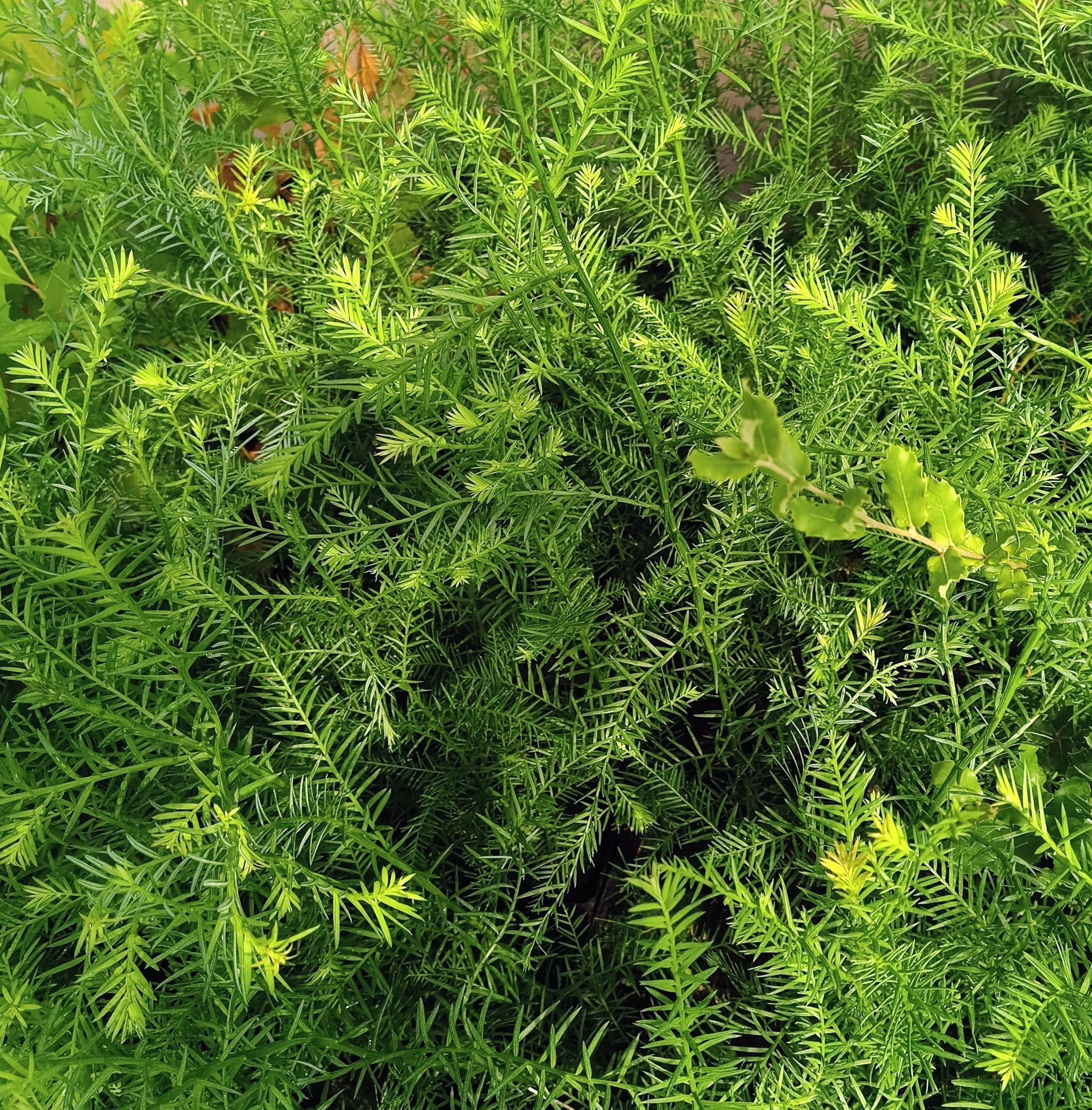
Portugal was once a great seafaring and exploring nation, and that history lives on in its gardens, city parks, monasteries, and palace estates, where many foreign tree species quietly took root. One arrived so early — in the early 1500s — that it was mistaken for a native Portuguese species until research in the 1900s traced its true origin back to Central America. It’s now known as the Montgomery cedar, or Cedro do Buçaco in Portuguese.
I love the adventure of seeking these remnants of old times: discovering the grandmothers and grandfathers among trees, gnarled and silently telling centuries of stories. That’s where most of my seeds come from — handpicked local gems, valuable genetic heritage, fully natural and ripened on the tree.
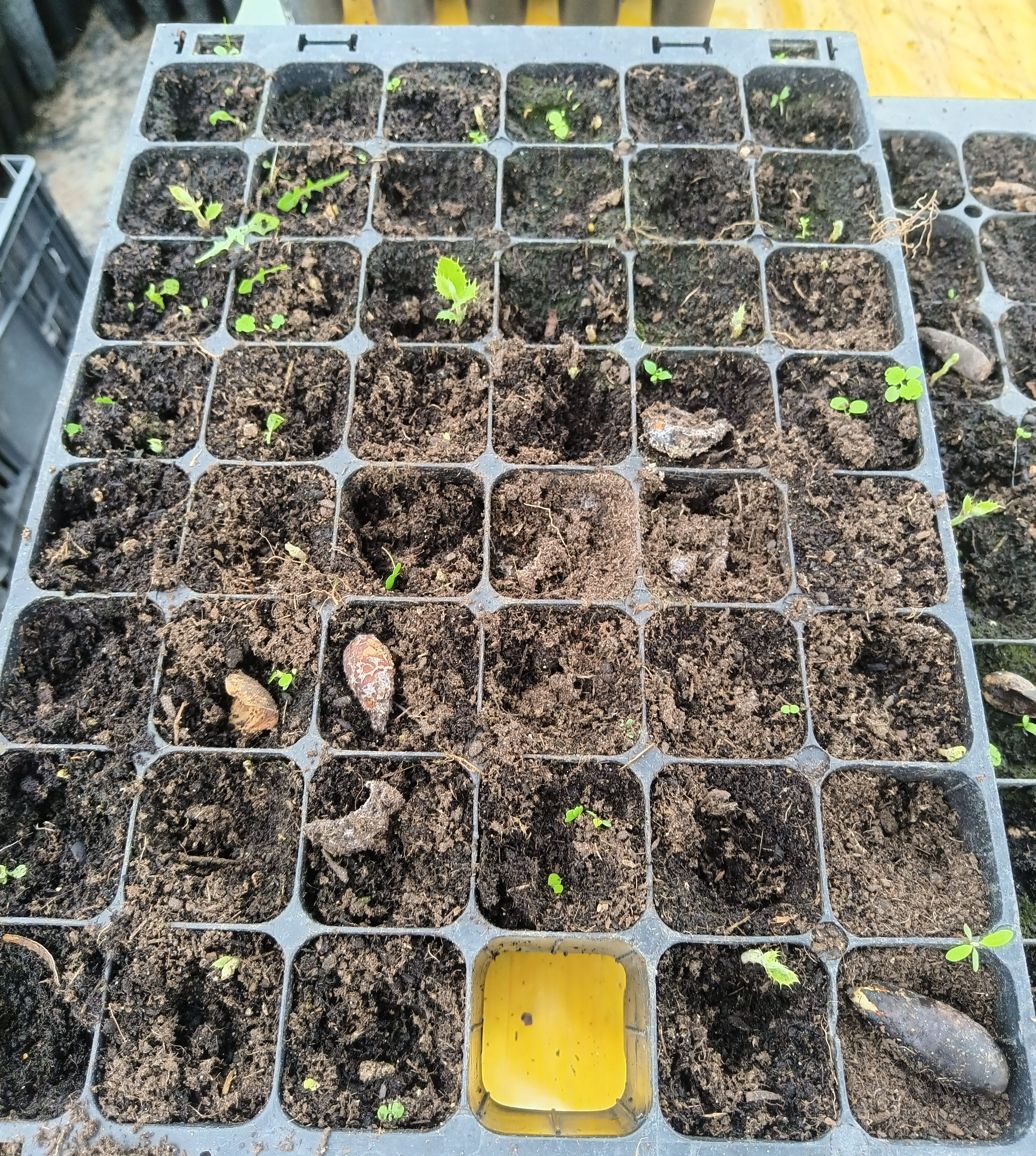
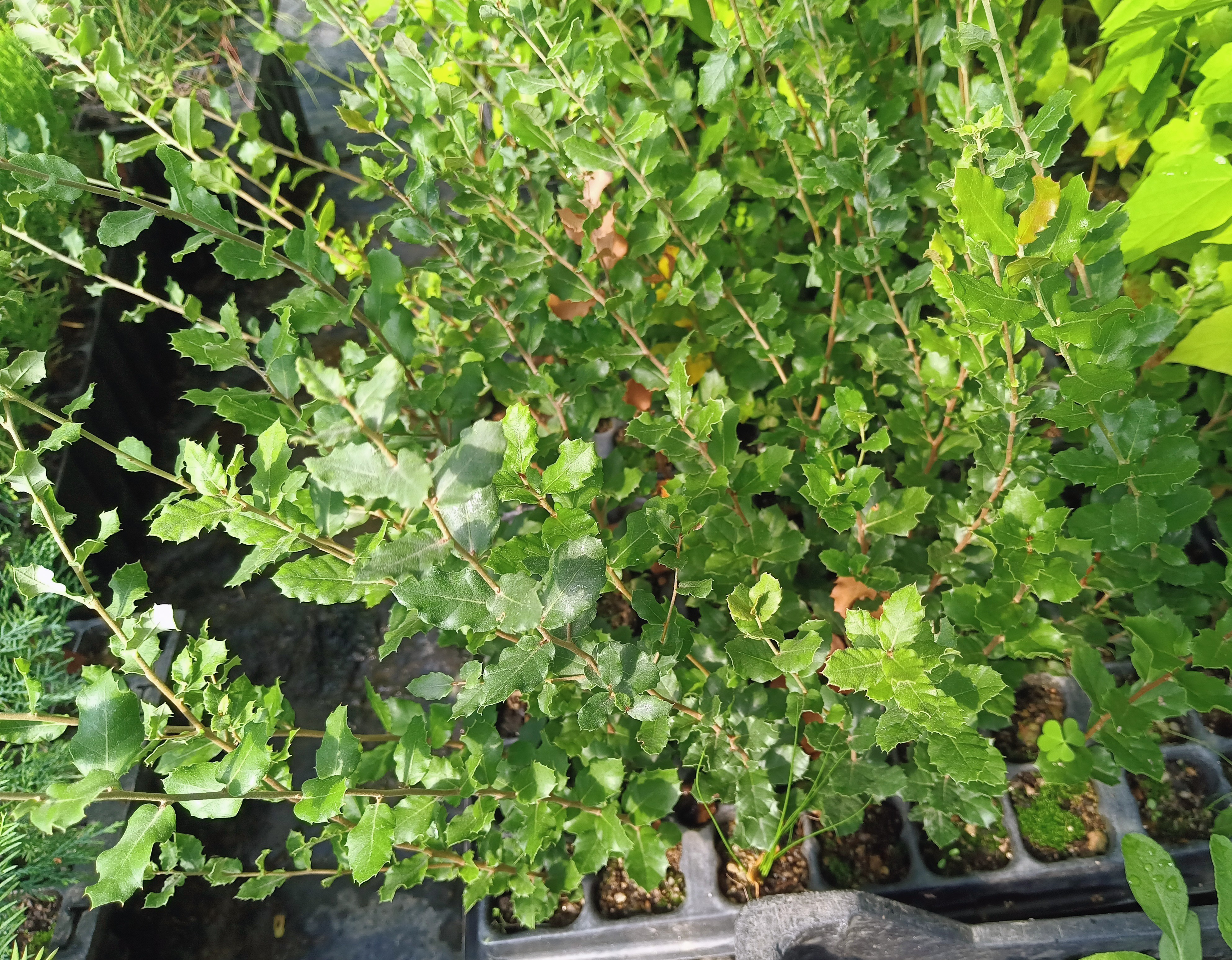
Through the winter months, little seems to happen on the surface — though acorns and chestnuts are already sending down roots below. Then, as February turns to March, batch after batch springs to life, ready to be re-potted. It’s a gamble every year: some batches thrive, others don’t show a single sprout, and often there’s no clear reason why. That unpredictability is nature’s hand in the process.
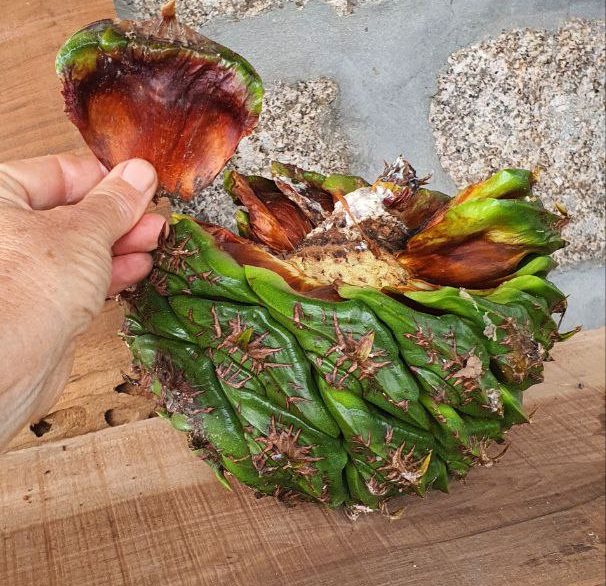
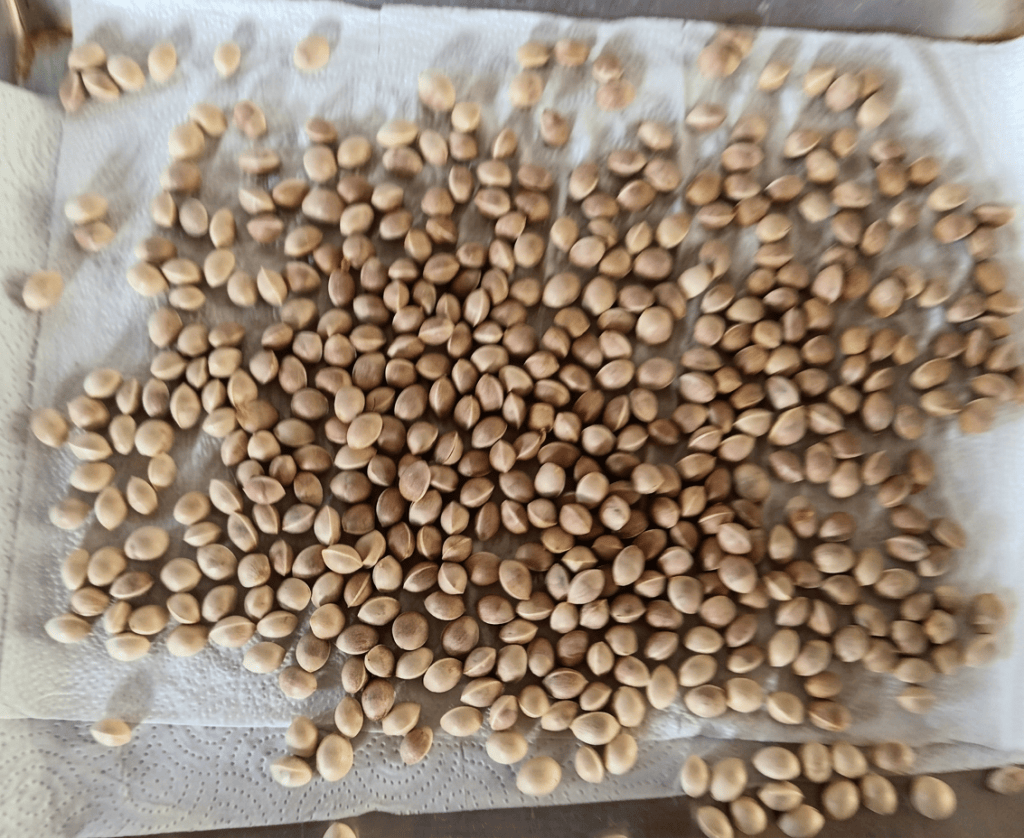
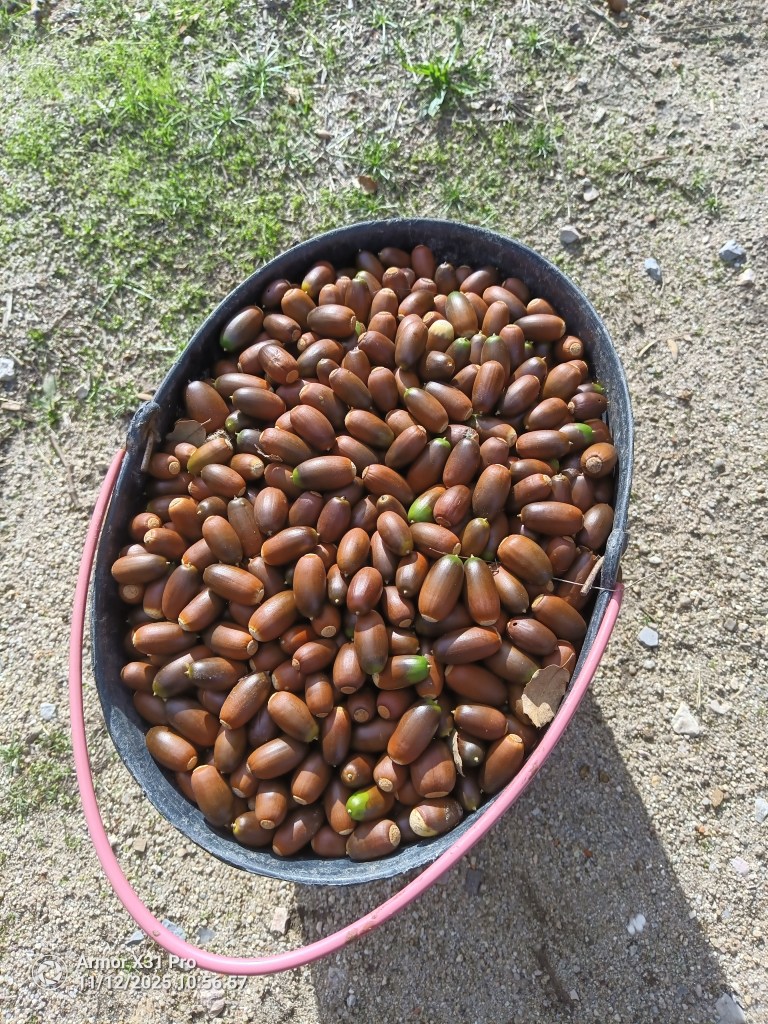
Once collected, some seeds need drying and storing for a while; others go straight into the soil, or even into the fridge first, to mimic a cold winter and coax them into germinating, a process called cold-stratification.
acorns
Plenty else can go wrong, too, and cost you dozens of seeds or seedlings along the way — hungry mice, root rot during heavy rains, scorching summer heat, to name just a few.
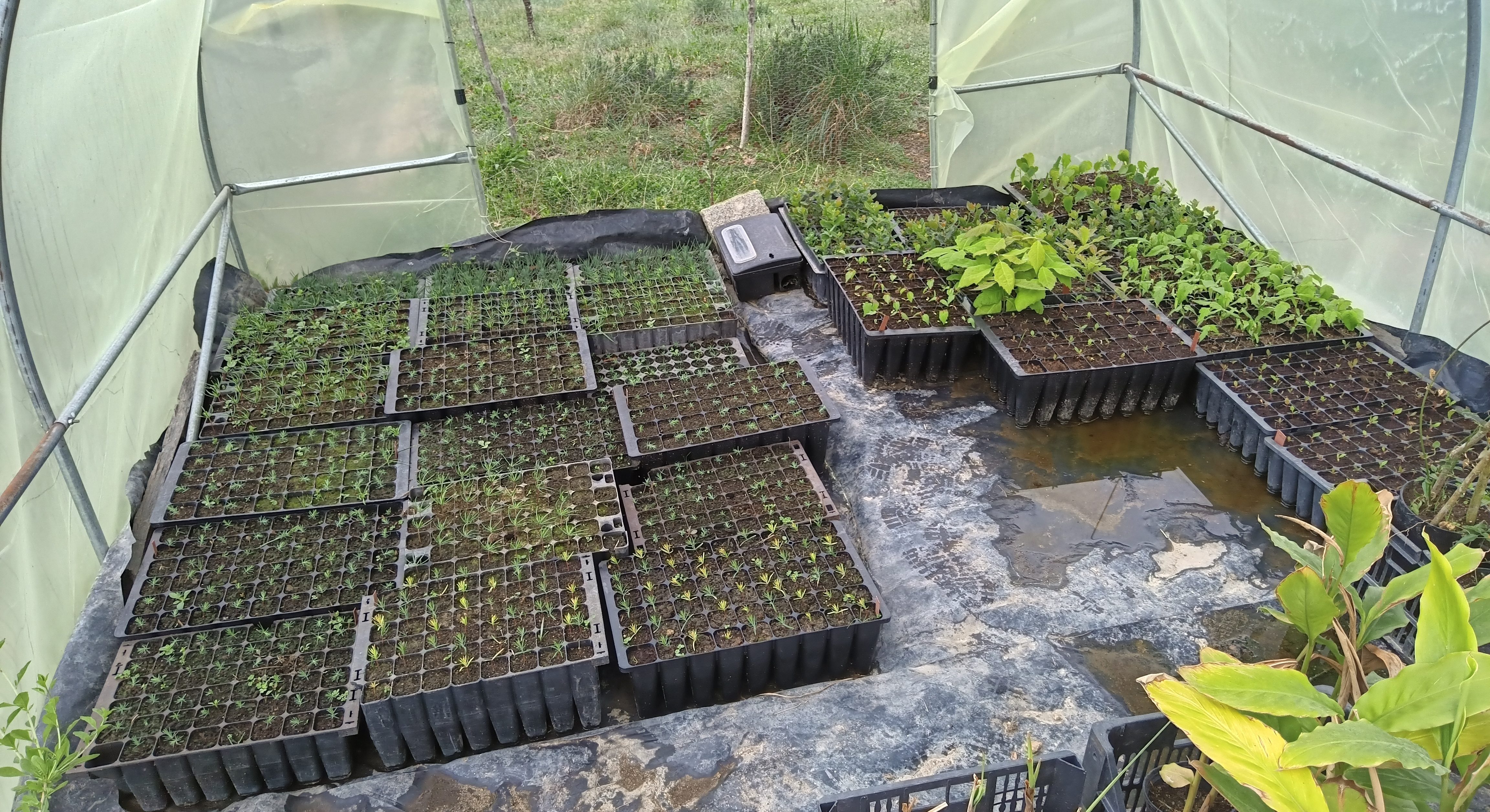
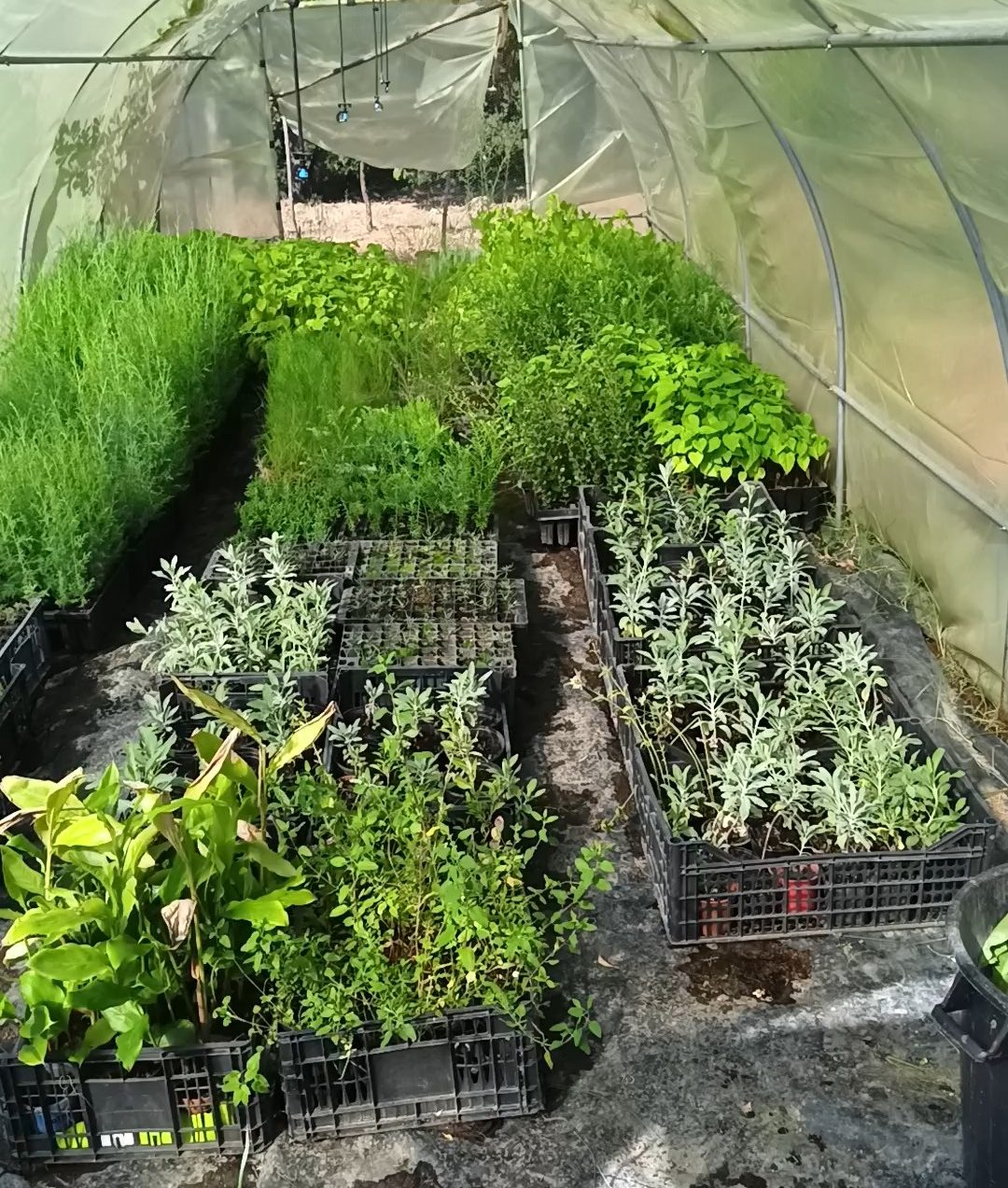
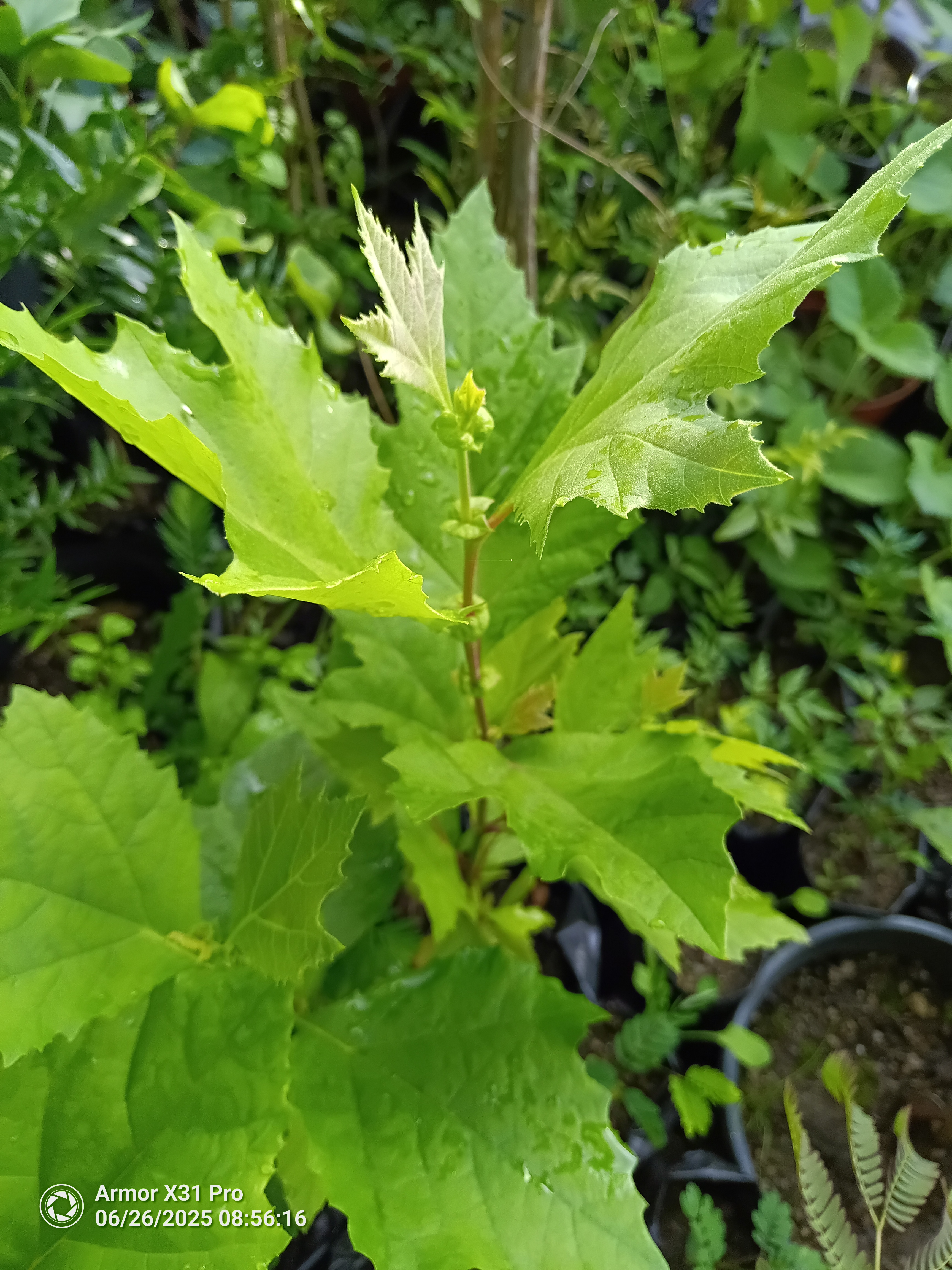
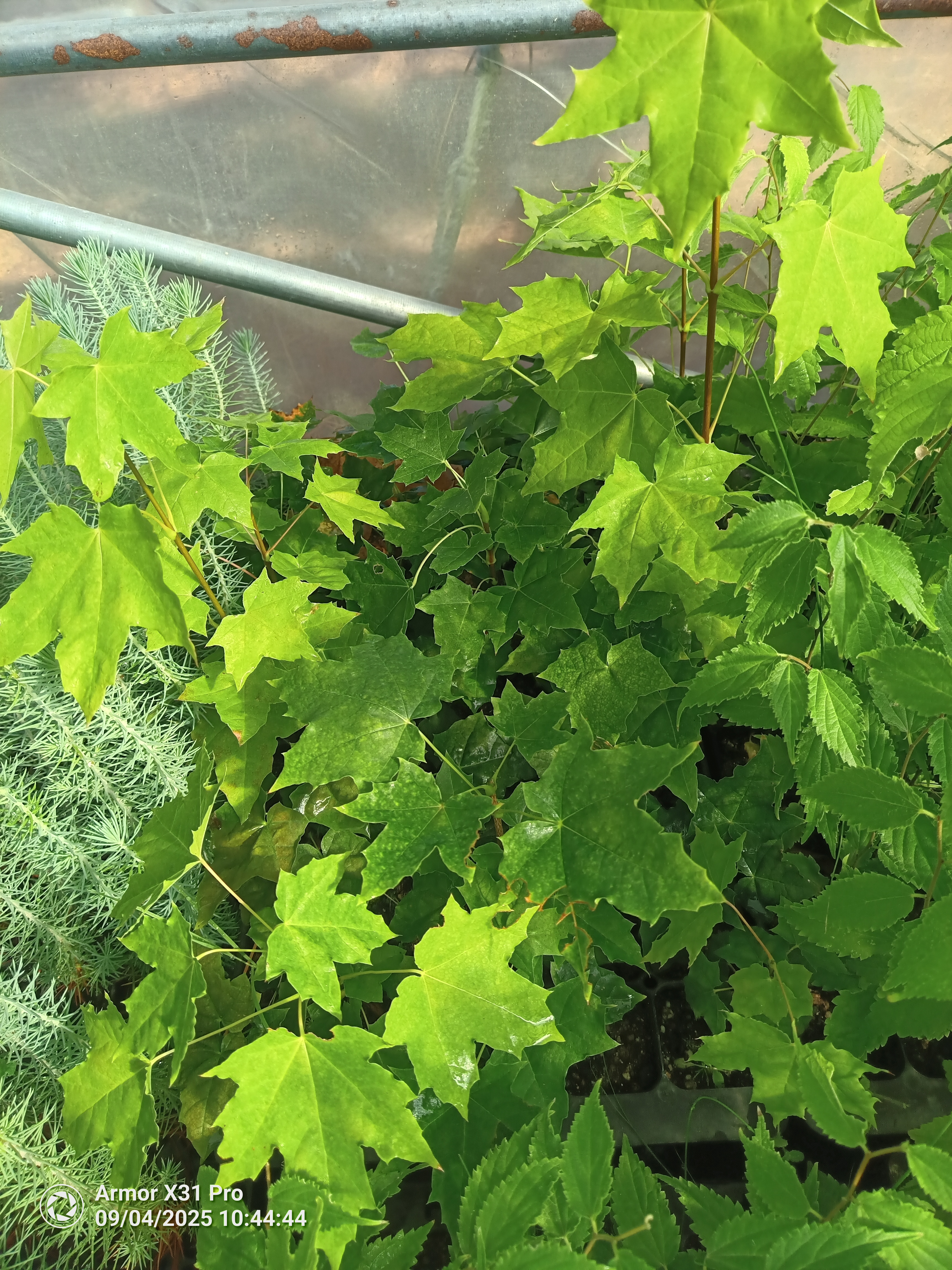
By the time spring arrives, everything gets potted up and gathered in one spot that’s easy to water through the long, dry summer — the main growing season.
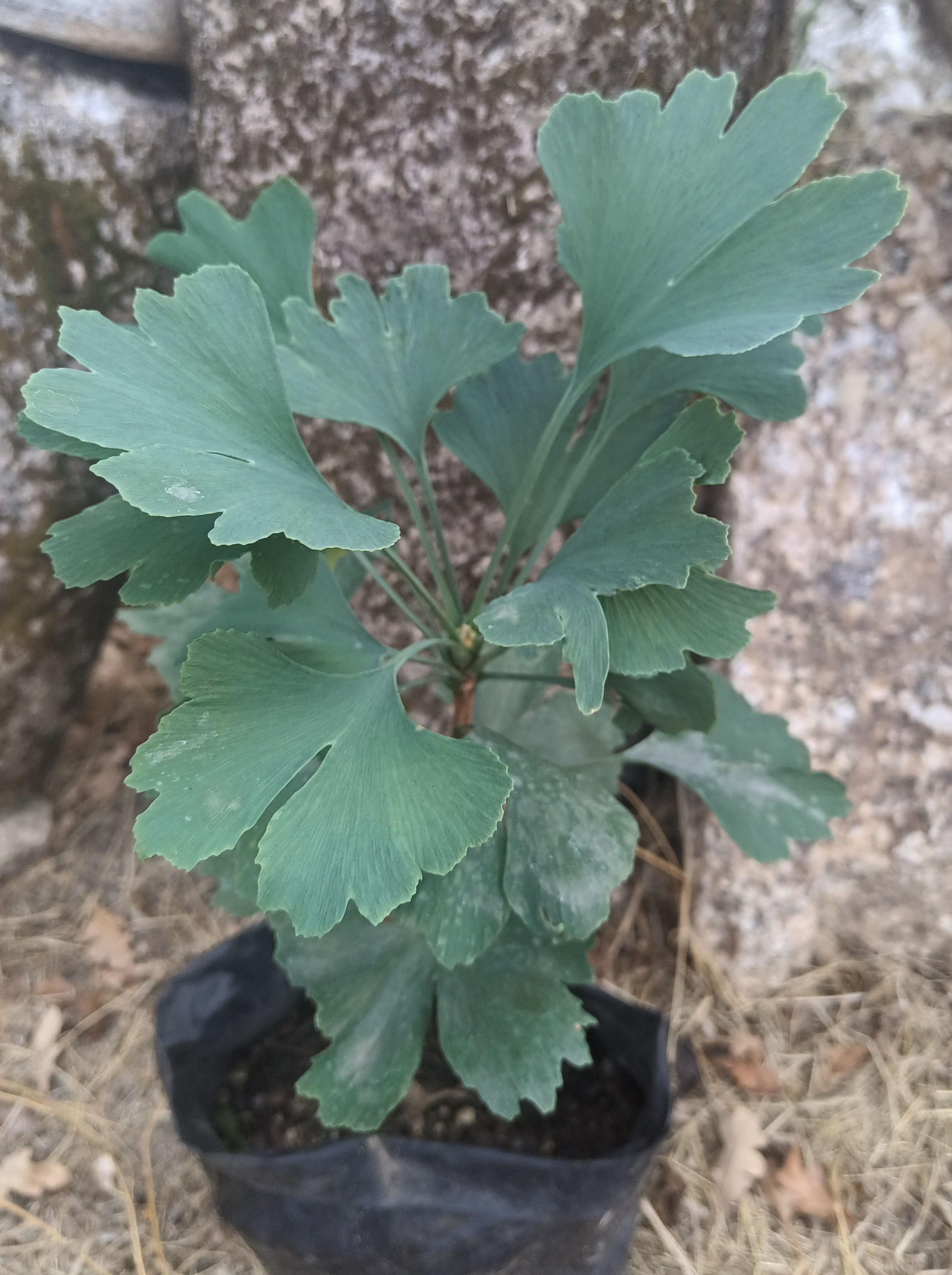
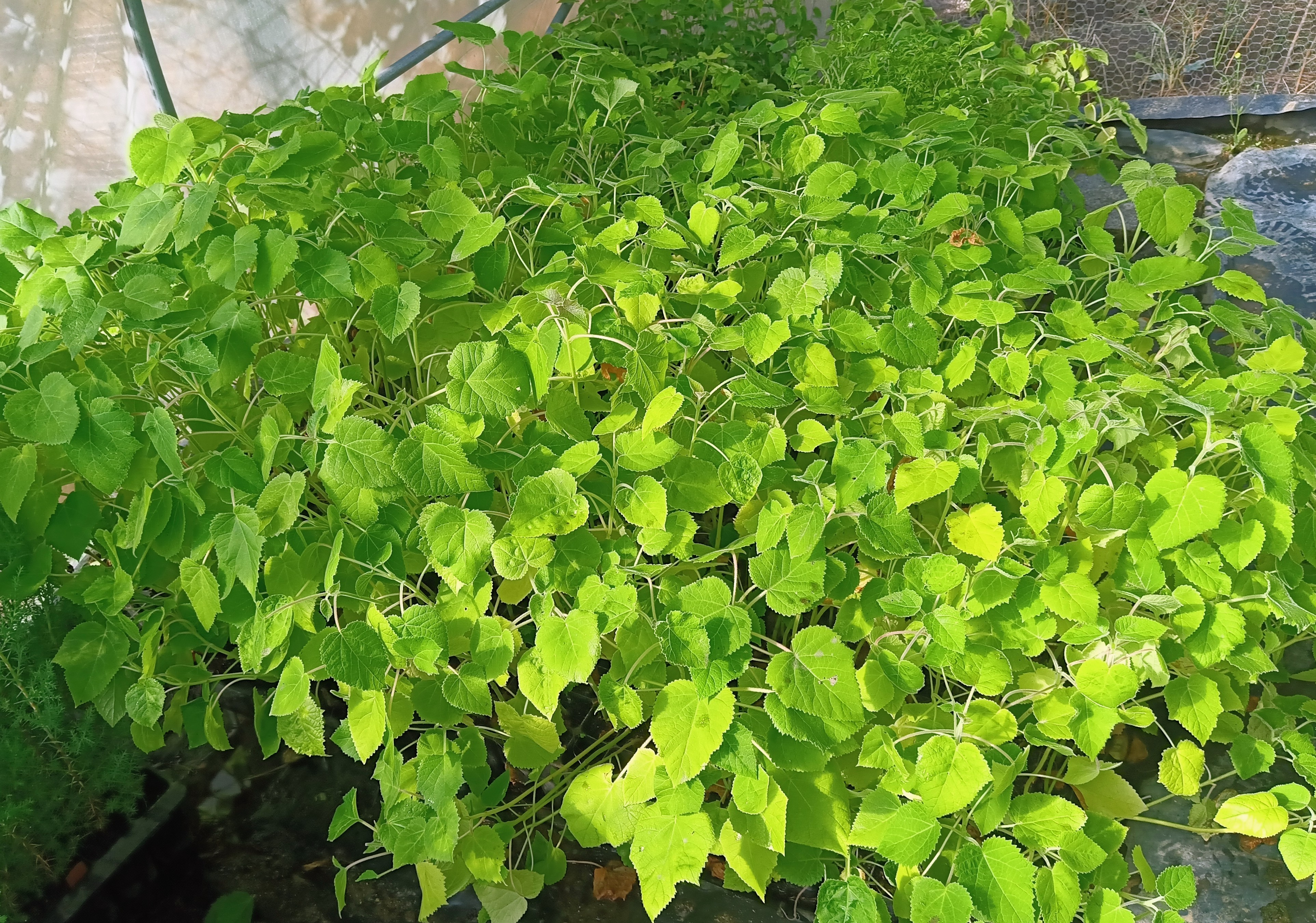
And finally, the best season returns: first for planting trees as the autumn rains soften the ground, and for starting a new generation of seedlings. The cycle of life closes, and begins yet again.

